


SEEKING ADVENTURES

  • Home
  • Shop
  • About
  • Contact
  • My Account
  • Blog
  • No products in cart.
  • Home
  • Blog
  • Uncategorized
  • The Ultimate Guide to Eco-Friendly Camping: Leave No Trace Principles and Sustainability Tips
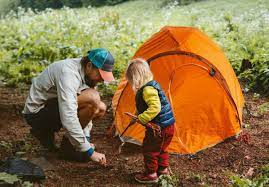
The Ultimate Guide to Eco-Friendly Camping: Leave No Trace Principles and Sustainability Tips

The Ultimate Guide to Eco-Friendly Camping: Leave No Trace Principles and Sustainability Tips

by seekingadventures24@gmail.com / Monday, 14 October 2024 / Published in Uncategorized

Camping is a beloved outdoor activity that allows us to connect with nature and escape the hustle and bustle of everyday life. However, it’s important to remember that our actions in the great outdoors can have a lasting impact on the environment. In order to preserve the beauty of our natural surroundings for future generations, it’s crucial to practice eco-friendly camping techniques. This ultimate guide will explore the key principles of Leave No Trace camping and provide sustainability tips to help you minimize your environmental footprint while enjoying the great outdoors.

  • Understand Leave No Trace Principles:

Leave No Trace is a set of principles designed to minimize our impact on the environment while enjoying outdoor activities. These principles include concepts such as packing out all trash, leaving natural objects where you find them, minimizing campfire impacts, respecting wildlife, and being considerate of other visitors. By following these principles, you can ensure that your camping trips have a minimal impact on the environment.

  • Choose Sustainable Gear:

When preparing for your camping trip, opt for gear that is eco-friendly and sustainable. Look for products made from recycled materials or with minimal packaging. Invest in durable items that will last for many years rather than disposable alternatives. Additionally, consider renting gear or buying second-hand equipment to reduce waste.

  • Practice Leave No Trace Cooking:

One of the most enjoyable parts of camping is cooking meals over an open fire or portable stove. However, it’s important to practice Leave No Trace cooking techniques to minimize your impact on the environment. Use biodegradable soap for washing dishes, pack out all food scraps and trash, and avoid using harsh chemicals near water sources.

  • Respect Wildlife:

While camping, it’s essential to respect the wildlife that calls the area home. Keep a safe distance from animals and never feed them human food as it can disrupt their natural diet and behavior. Store food securely in bear-proof containers or hang it from a tree branch away from your campsite to prevent wildlife encounters.

  • Leave It Better Than You Found It:

Before breaking camp and heading home, take some time to clean up any trash or debris left behind by previous visitors. Leave the campsite better than you found it by picking up litter, extinguishing fires completely, and restoring any disturbed vegetation or soil.

The Ultimate Guide to Eco-Friendly Camping: Leave No Trace Principles and Sustainability Tips

Camping is a wonderful way to connect with nature, but it’s important to do so in a way that minimizes our impact on the environment. Eco-friendly camping practices not only preserve the beauty of the outdoors but also ensure that these natural spaces remain pristine for future generations. This guide will walk you through the Leave No Trace principles and provide practical sustainability tips to help you camp responsibly.


1. Plan Ahead and Prepare: Start with a Sustainable Mindset

Why It Matters: Effective planning helps reduce waste, prevent environmental damage, and ensures a safer camping experience for everyone.

Sustainability Tips:

  • Choose the Right Campsite: Select established campsites and trails to minimize your impact on untouched areas. Research regulations and permits required for the area you plan to visit.
  • Pack Light and Smart: Bring only what you need to reduce the weight and volume of your gear. Opt for multi-purpose items and avoid single-use plastics.
  • Minimize Packaging: Repackage food into reusable containers to cut down on packaging waste. Choose items with minimal or biodegradable packaging.
  • Know the Rules: Familiarize yourself with the specific regulations of the area, including fire restrictions, wildlife guidelines, and waste disposal policies.

2. Travel and Camp on Durable Surfaces: Protecting the Ground Beneath You

Why It Matters: Camping and hiking on durable surfaces prevent soil erosion, protect plant life, and reduce the impact on the environment.

Sustainability Tips:

  • Stay on Trails: Stick to established trails to avoid trampling vegetation and causing soil erosion. Avoid shortcuts or walking off-trail.
  • Camp on Durable Surfaces: Set up your tent on hard-packed ground, gravel, or established campsites. Avoid sensitive areas like meadows, wetlands, and fragile vegetation.
  • Use a Ground Cloth: Place a ground cloth or footprint under your tent to protect the soil and vegetation from damage.

3. Dispose of Waste Properly: Leave No Trace Behind

Why It Matters: Proper waste disposal is crucial to preventing pollution, protecting wildlife, and maintaining the natural beauty of the outdoors.

Sustainability Tips:

  • Pack It In, Pack It Out: Bring all trash, food scraps, and litter back with you, including small items like food wrappers and cigarette butts.
  • Use Biodegradable Products: Opt for biodegradable soaps, toothpaste, and cleaning supplies. Wash dishes and personal items at least 200 feet away from water sources.
  • Human Waste Disposal: In areas without facilities, dig a small hole (at least 6-8 inches deep) to bury human waste, and pack out used toilet paper. Use biodegradable toilet paper if possible.
  • Avoid Over-Packaging: Bring food in reusable containers rather than single-use packaging. This reduces waste and minimizes the chances of littering.

4. Leave What You Find: Preserve Nature for Others

Why It Matters: Leaving natural objects and artifacts undisturbed ensures that others can enjoy the same beauty and cultural significance in the future.

Sustainability Tips:

  • Don’t Pick Wildflowers: Enjoy the beauty of wildflowers and plants where they grow. Picking them can disrupt the ecosystem and reduce biodiversity.
  • Leave Natural Objects: Rocks, shells, and other natural objects should be left in place. These items contribute to the habitat and have cultural and ecological significance.
  • Respect Cultural Artifacts: If you encounter historical or cultural artifacts, admire them from a distance and leave them undisturbed.

5. Minimize Campfire Impact: Tread Lightly with Fire

Why It Matters: Campfires can cause lasting damage to the environment, including scarring the ground, depleting wood resources, and increasing the risk of wildfires.

Sustainability Tips:

  • Use a Camp Stove: Opt for a portable camp stove instead of a campfire for cooking. It’s more efficient and leaves no trace.
  • Use Existing Fire Rings: If you must build a fire, use existing fire rings to minimize your impact. Keep fires small and contained.
  • Gather Dead and Downed Wood: Collect only small pieces of wood that are already dead and on the ground. Avoid cutting live trees or branches.
  • Extinguish Fires Completely: Ensure your fire is fully extinguished before leaving. Douse it with water, stir the ashes, and douse it again until the ashes are cold to the touch.

6. Respect Wildlife: Observe, Don’t Disturb

Why It Matters: Wildlife plays a crucial role in maintaining the balance of ecosystems. Interfering with animals can disrupt their natural behavior, health, and habitats.

Sustainability Tips:

  • Keep a Safe Distance: Observe wildlife from a distance without approaching or feeding them. Feeding animals can make them dependent on humans and disrupt their natural diet.
  • Store Food Properly: Store food and scented items securely to avoid attracting wildlife. Use bear-proof containers or hang food in a tree if necessary.
  • Control Pets: If you’re camping with pets, keep them under control and on a leash to prevent them from disturbing wildlife.
  • Avoid Wildlife Habitats: Be mindful of your surroundings and avoid sensitive habitats, especially during breeding or nesting seasons.

7. Be Considerate of Other Visitors: Share the Outdoors Respectfully

Why It Matters: Respecting other campers and outdoor enthusiasts ensures a pleasant experience for everyone and maintains the tranquility of natural spaces.

Sustainability Tips:

  • Keep Noise Levels Down: Respect the peace and quiet of the outdoors. Avoid loud conversations, music, and activities, especially at night.
  • Yield to Others: On trails, yield to other hikers, bikers, and horseback riders as appropriate. Step aside to let faster groups pass.
  • Respect Campsite Boundaries: Give your neighbors space and privacy by setting up camp at a reasonable distance from others.
  • Follow Campground Rules: Adhere to the specific rules of the campground or park, including quiet hours and designated camping areas.

8. Sustainable Camping Gear: Invest in Eco-Friendly Equipment

Why It Matters: Choosing eco-friendly camping gear reduces your environmental footprint and supports companies that prioritize sustainability.

Sustainability Tips:

  • Opt for Reusable Gear: Invest in durable, reusable gear that will last for many camping trips, reducing waste from disposable items.
  • Choose Eco-Friendly Materials: Look for gear made from recycled, organic, or sustainably sourced materials.
  • Repair, Don’t Replace: Extend the life of your camping gear by repairing it when possible, rather than replacing it. This reduces waste and saves money.
  • Support Ethical Brands: Purchase gear from companies committed to environmental responsibility, fair labor practices, and sustainability.

Conclusion: Camp Responsibly for a Greener Future

Eco-friendly camping is about more than just enjoying the great outdoors; it’s about preserving it for generations to come. By following the Leave No Trace principles and adopting sustainable camping practices, you can minimize your impact on the environment while still having an incredible outdoor experience. Remember, every small action counts towards protecting the natural world we love to explore

By following these eco-friendly camping tips and practicing Leave No Trace principles, you can enjoy all the benefits of spending time in nature while minimizing your impact on the environment. Remember that we are all stewards of our planet, and it’s up to each one of us to protect our natural spaces for future generations to enjoy. So next time you head out for a camping trip, be sure to leave no trace and leave only footprints behind!

  • Tweet

About seekingadventures24@gmail.com

What you can read next

Mastering the Art of Campfire Cooking: Delicious Recipes for Outdoor Dining
Survival Skills 101: Basic Techniques Every Camper Should Know
Wilderness Wonders: Exploring Hidden Gems in National Parks Through Camping

Leave a Reply Cancel reply

Your email address will not be published. Required fields are marked *

Recent Posts

  • Mastering the Art of Campfire Cooking: Delicious Recipes for Outdoor Dining

    There’s something truly magical about coo...
  • From Gear to Trails: Essential Tips for Planning Your First Camping Trip

    Planning your first camping trip can be both ex...
  • Unplugged and Unwind: The Mental Health Benefits of Outdoor Camping

    In today’s fast-paced world, it can be ch...
  • Survival Skills 101: Basic Techniques Every Camper Should Know

    Camping is a wonderful way to connect with natu...
  • Wilderness Wonders: Exploring Hidden Gems in National Parks Through Camping

    National parks are some of the most breathtakin...

menu

  • Home
  • Shop
  • About
  • Contact
  • My Account
  • Blog

information

  • Terms & Conditions
  • Privacy Policy
  • Refund and Returns Policy

newsletter

©2022 Outdoors. All rights reserved.

TOP