
Mastering the Art of Campfire Cooking: Delicious Recipes for Outdoor Dining
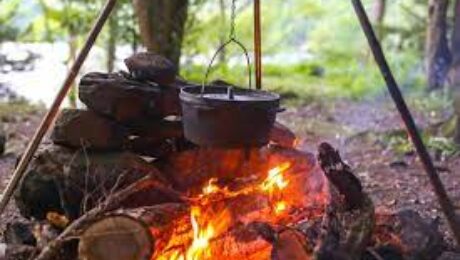
There’s something truly magical about cooking over an open flame in the great outdoors. The crackling of the fire, the smell of wood smoke, and the delicious aromas wafting through the air all contribute to a unique dining experience that can’t be replicated in a kitchen. Whether you’re camping, hiking, or simply enjoying a backyard bonfire, mastering the art of campfire cooking opens up a world of culinary possibilities. In this blog post, we’ll explore some delicious recipes that are perfect for outdoor dining and help you elevate your campfire cooking game.
- Campfire Breakfast Burritos: Start your day off right with a hearty and satisfying breakfast burrito cooked over an open flame. Simply wrap scrambled eggs, cooked bacon or sausage, cheese, and your favorite veggies in a tortilla and place it on a piece of foil near the fire. Let it cook until everything is heated through and the cheese is melted. Top it off with salsa and avocado for an extra burst of flavor.
- Foil Packet BBQ Chicken: This simple yet flavorful recipe is perfect for a no-fuss dinner around the campfire. Place boneless chicken breasts on a piece of foil and top them with your favorite barbecue sauce, sliced onions, bell peppers, and corn. Seal up the foil packet tightly and place it on the edge of the fire to cook for about 20-25 minutes. The result is tender, juicy chicken with smoky barbecue flavor.
- Campfire Chili: Warm up on chilly evenings with a hearty bowl of campfire chili. Brown ground beef or turkey in a cast iron Dutch oven over the fire, then add diced tomatoes, kidney beans, onion, garlic, chili powder, cumin, and paprika. Let it simmer for at least an hour to allow the flavors to meld together perfectly. Serve with shredded cheese and sour cream for a comforting meal that will keep you satisfied.
- Grilled Peach Cobbler: Indulge your sweet tooth with this delicious dessert that’s easy to make over an open flame. Slice fresh peaches and toss them with sugar and cinnamon before placing them in individual foil packets along with butter and crumbled graham crackers or oats for crunch. Grill them over low heat until bubbly and caramelized, then top with vanilla ice cream for a decadent treat.
- S’mores Dip: No campfire cooking experience would be complete without s’mores! For a fun twist on this classic treat, try making s’mores dip by layering chocolate chips at the bottom of a cast iron skillet followed by marshmallows on top. Place it near the fire until everything is melty and gooey, then use graham crackers for dipping. It’s sure to be a hit with kids and adults alike.
Mastering the Art of Campfire Cooking: Delicious Recipes for Outdoor Dining
Cooking over a campfire is a quintessential part of the camping experience, combining the joy of outdoor living with the satisfaction of a delicious, homemade meal. Whether you’re a seasoned camper or a beginner, mastering campfire cooking opens up a world of culinary possibilities. This guide provides tips, techniques, and a collection of mouthwatering recipes to elevate your outdoor dining.
1. Campfire Cooking Basics: Tools and Techniques
Why It Matters: Understanding the basics of campfire cooking ensures that your meals are not only tasty but also safe and easy to prepare.
Essential Tools:
- Cast Iron Skillet or Dutch Oven: These heavy-duty tools are perfect for cooking over an open flame. They distribute heat evenly and can handle high temperatures.
- Grill Grate: Place a portable grill grate over your campfire for direct grilling or as a stable surface for pots and pans.
- Long-Handled Utensils: Invest in long-handled tongs, spatulas, and spoons to keep your hands safe from the heat while cooking.
- Aluminum Foil: Heavy-duty aluminum foil is a versatile tool for wrapping food for cooking directly in the coals or making easy cleanup packets.
- Fire Starters: Use matches, lighters, or fire starters to get your campfire going. Keep these in a waterproof container.
Techniques:
- Direct Heat Cooking: Cook food directly over the flames or hot coals. Best for grilling meats, vegetables, and toasting bread.
- Indirect Heat Cooking: Move coals to the side or cook over the cooler part of the fire. Ideal for slow-cooking stews, baking, and roasting.
- Foil Packet Cooking: Wrap ingredients in foil and place directly on the coals or grill. This method is great for cooking entire meals with minimal cleanup.
- Dutch Oven Cooking: Use a Dutch oven to bake, braise, or stew over a fire. Place coals on top of the lid for even heat distribution.
2. Breakfast: Start Your Day Right
Campfire Breakfast Burritos
- Ingredients: Tortillas, scrambled eggs, cooked sausage or bacon, cheese, salsa, diced potatoes.
- Method: Cook the scrambled eggs and diced potatoes in a skillet over the fire. Warm the tortillas on the grill grate, then fill them with eggs, sausage, cheese, and salsa. Roll up the burritos and wrap them in foil. Heat them on the grill for a few minutes until the cheese is melted.
Campfire Pancakes
- Ingredients: Pancake mix, water or milk, butter, maple syrup, fresh berries.
- Method: Mix the pancake batter according to the package instructions. Grease a skillet with butter and pour in the batter. Cook until bubbles form on the surface, then flip and cook until golden brown. Serve with syrup and berries.
3. Lunch: Satisfying Midday Meals
Foil Packet Quesadillas
- Ingredients: Tortillas, shredded cheese, cooked chicken or beans, salsa, chopped veggies.
- Method: Place a tortilla on a piece of foil. Add cheese, chicken or beans, veggies, and salsa. Top with another tortilla. Wrap the quesadilla tightly in the foil and cook over the coals or on the grill grate for 5-10 minutes, flipping halfway through, until the cheese is melted.
Grilled Sandwiches
- Ingredients: Bread, cheese, deli meats, mustard, butter.
- Method: Butter the outside of the bread slices and layer with cheese and deli meats. Place the sandwich on the grill grate or in a skillet. Press down with a heavy object (like a foil-wrapped rock) and grill until golden and the cheese is melted, flipping once.
4. Dinner: Hearty and Delicious Campfire Meals
Campfire Chili
- Ingredients: Ground beef or turkey, canned beans, diced tomatoes, onion, garlic, chili powder, cumin, salt, pepper.
- Method: In a Dutch oven, cook the ground meat over the fire until browned. Add chopped onion and garlic, cooking until softened. Stir in beans, tomatoes, and spices. Simmer over indirect heat for 30-40 minutes, stirring occasionally. Serve with cornbread or crackers.
Grilled Steak and Veggies
- Ingredients: Steak cuts (ribeye, sirloin), olive oil, salt, pepper, mixed vegetables (zucchini, bell peppers, onions).
- Method: Season the steak with olive oil, salt, and pepper. Grill directly over hot coals to your preferred doneness. Toss the veggies with olive oil, salt, and pepper, then grill them on the grate until tender and slightly charred. Let the steak rest for a few minutes before serving with the grilled veggies.
Campfire Pizza
- Ingredients: Pizza dough, tomato sauce, shredded cheese, pepperoni, sliced veggies.
- Method: Stretch the pizza dough into rounds and grill on one side until lightly browned. Flip the dough, add tomato sauce, cheese, and toppings. Cover with foil and cook until the cheese is melted and the crust is fully cooked.
5. Desserts: Sweet Endings to a Perfect Day
S’mores
- Ingredients: Graham crackers, marshmallows, chocolate bars.
- Method: Roast marshmallows on a stick over the campfire until golden brown. Place the marshmallow and a piece of chocolate between two graham crackers and gently press together to melt the chocolate.
Campfire Banana Boats
- Ingredients: Bananas, chocolate chips, mini marshmallows, peanut butter, foil.
- Method: Slice a banana lengthwise (without cutting through the bottom peel) and stuff with chocolate chips, marshmallows, and a drizzle of peanut butter. Wrap the banana in foil and place it on the coals for about 5-10 minutes, until the chocolate and marshmallows are melted.
Dutch Oven Apple Crisp
- Ingredients: Sliced apples, sugar, cinnamon, oats, flour, butter.
- Method: In a Dutch oven, mix sliced apples with sugar and cinnamon. In a separate bowl, combine oats, flour, and butter to create a crumbly topping. Sprinkle the topping over the apples. Place the Dutch oven over the coals with some coals on the lid, and bake for 30-40 minutes until the apples are tender and the topping is golden brown.
6. Snacks and Sides: Tasty Extras
Campfire Popcorn
- Ingredients: Popcorn kernels, oil, salt, foil.
- Method: Place a handful of popcorn kernels and a tablespoon of oil on a large piece of foil. Fold the foil into a pouch, leaving space for the popcorn to expand. Hold the pouch over the fire with tongs, shaking occasionally, until the popping slows. Season with salt.
Grilled Corn on the Cob
- Ingredients: Corn on the cob, butter, salt, pepper, foil.
- Method: Husk the corn and season with butter, salt, and pepper. Wrap each cob in foil and grill over the fire for 15-20 minutes, turning occasionally, until the corn is tender.
7. Campfire Safety: Cooking with Care
Why It Matters: Safety is paramount when cooking over an open flame. Proper fire management ensures a safe and enjoyable meal.
Safety Tips:
- Build a Safe Fire: Choose a clear, level spot for your fire, away from tents and low-hanging branches. Keep water and a shovel nearby to control the fire.
- Manage the Heat: Control the intensity of your fire by adjusting the amount of wood or coals. Use a mix of hot coals and low flames for even cooking.
- Supervise Children: Keep children away from the fire and hot cooking equipment. Teach them fire safety rules.
- Extinguish Properly: Always fully extinguish your fire before leaving the campsite or going to bed. Pour water on the coals and stir until completely cool.
Conclusion: Enjoying the Art of Campfire Cooking
Campfire cooking is an art that combines the joy of outdoor living with the pleasure of a good meal. With the right tools, techniques, and recipes, you can create delicious, memorable meals that enhance your camping experience. So gather your ingredients, light the fire, and enjoy the unique flavors that only campfire cooking can offer!
Mastering the art of campfire cooking allows you to enjoy delicious meals in nature while creating unforgettable memories with friends and family. With these recipes in your repertoire, you’ll be well-equipped to elevate your outdoor dining experience and impress your fellow campers with your culinary skills. So next time you find yourself gathered around a crackling fire under starlit skies, don’t settle for basic hot dogs or canned beans – get creative with your campfire cooking! Your taste buds will thank you.
- Published in Uncategorized
The Ultimate Guide to Eco-Friendly Camping: Leave No Trace Principles and Sustainability Tips
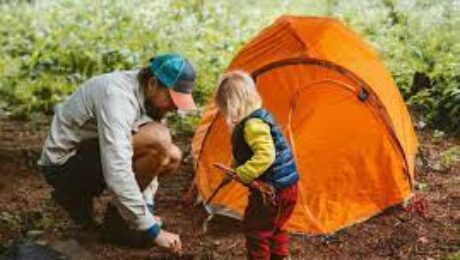
Camping is a beloved outdoor activity that allows us to connect with nature and escape the hustle and bustle of everyday life. However, it’s important to remember that our actions in the great outdoors can have a lasting impact on the environment. In order to preserve the beauty of our natural surroundings for future generations, it’s crucial to practice eco-friendly camping techniques. This ultimate guide will explore the key principles of Leave No Trace camping and provide sustainability tips to help you minimize your environmental footprint while enjoying the great outdoors.
- Understand Leave No Trace Principles:
Leave No Trace is a set of principles designed to minimize our impact on the environment while enjoying outdoor activities. These principles include concepts such as packing out all trash, leaving natural objects where you find them, minimizing campfire impacts, respecting wildlife, and being considerate of other visitors. By following these principles, you can ensure that your camping trips have a minimal impact on the environment.
- Choose Sustainable Gear:
When preparing for your camping trip, opt for gear that is eco-friendly and sustainable. Look for products made from recycled materials or with minimal packaging. Invest in durable items that will last for many years rather than disposable alternatives. Additionally, consider renting gear or buying second-hand equipment to reduce waste.
- Practice Leave No Trace Cooking:
One of the most enjoyable parts of camping is cooking meals over an open fire or portable stove. However, it’s important to practice Leave No Trace cooking techniques to minimize your impact on the environment. Use biodegradable soap for washing dishes, pack out all food scraps and trash, and avoid using harsh chemicals near water sources.
- Respect Wildlife:
While camping, it’s essential to respect the wildlife that calls the area home. Keep a safe distance from animals and never feed them human food as it can disrupt their natural diet and behavior. Store food securely in bear-proof containers or hang it from a tree branch away from your campsite to prevent wildlife encounters.
- Leave It Better Than You Found It:
Before breaking camp and heading home, take some time to clean up any trash or debris left behind by previous visitors. Leave the campsite better than you found it by picking up litter, extinguishing fires completely, and restoring any disturbed vegetation or soil.
By following these eco-friendly camping tips and practicing Leave No Trace principles, you can enjoy all the benefits of spending time in nature while minimizing your impact on the environment. Remember that we are all stewards of our planet, and it’s up to each one of us to protect our natural spaces for future generations to enjoy. So next time you head out for a camping trip, be sure to leave no trace and leave only footprints behind!
- Published in Uncategorized
From Gear to Trails: Essential Tips for Planning Your First Camping Trip

Planning your first camping trip can be both exciting and overwhelming. From choosing the right gear to finding the perfect trail, there are many factors to consider when embarking on this outdoor adventure. But fear not, as we have compiled a list of essential tips to help you plan a successful and enjoyable camping trip. Whether you are a beginner or an experienced camper, these tips will ensure that you are well-prepared for your time in the great outdoors.
The first step in planning your camping trip is to determine what gear you will need. This includes essentials such as a tent, sleeping bag, cooking supplies, and clothing suitable for the weather conditions. It is important to invest in high-quality gear that will keep you comfortable and safe during your trip. Do some research on different brands and products to find the best options for your needs. Additionally, consider renting gear if you are unsure about making a large investment upfront.
Next, choose a suitable camping location that matches your skill level and preferences. If you are new to camping, opt for established campgrounds with amenities such as bathrooms and water sources. Research different campsites online or ask friends and family for recommendations. Consider factors such as proximity to hiking trails, scenic views, and availability of facilities when selecting a campground. Make sure to reserve your campsite ahead of time to secure your spot.
When packing for your camping trip, remember to bring all the essentials while keeping your load light. Create a checklist of items such as food, water, first aid kit, flashlight, map or GPS device, and personal items like toiletries and sunscreen. Pack clothing layers that can be easily added or removed depending on the temperature changes throughout the day. Don’t forget to pack entertainment such as books or games if you anticipate downtime at the campsite.
During your camping trip, practice Leave No Trace principles by minimizing impact on the environment. Dispose of waste properly by packing out trash and following designated trails while hiking. Respect wildlife by observing from a distance and avoiding feeding animals. Be mindful of noise levels at the campground and follow any rules set by park rangers or staff members. Leave the campsite better than you found it by cleaning up after yourself before departing.
Lastly, reflect on your camping experience after returning home by documenting memories through photos or journal entries. Take note of what went well during the trip and areas where improvements could be made for future outings. Share stories with friends or family members who may be interested in joining you on future adventures. Use this feedback to refine your skills as a camper and continue exploring new trails and campsites in different locations.
From Gear to Trails: Essential Tips for Planning Your First Camping Trip
Embarking on your first camping trip is an exciting adventure, but it can also be a bit overwhelming if you’re not sure where to start. From selecting the right gear to choosing the perfect trail, careful planning is key to ensuring a safe, enjoyable, and memorable experience. Here’s a comprehensive guide to help you plan your first camping trip with confidence.
1. Choosing the Right Campsite
Why It Matters: The location you choose for your first camping trip sets the tone for the entire experience. Picking a campsite that matches your skill level and interests is crucial.
Tips:
- Start Close to Home: For your first trip, consider a campsite that’s not too far from home. This way, if anything goes wrong, you’re not too far from help.
- Campgrounds vs. Backcountry: Decide whether you want to camp in a developed campground with amenities like restrooms and water, or if you’re ready for backcountry camping, which requires more self-sufficiency.
- Research Campground Amenities: Look for campsites with amenities that suit your needs, such as picnic tables, fire pits, and nearby hiking trails.
- Consider the Environment: Think about the type of environment you’d enjoy—forest, desert, mountain, or beach. Each offers a different experience and challenges.
2. Essential Gear for First-Time Campers
Why It Matters: Having the right gear can make or break your camping trip. It ensures you’re prepared for the elements and can enjoy your time outdoors comfortably.
Must-Have Gear:
- Tent: Choose a tent that’s easy to set up, weather-resistant, and appropriately sized for your group. Practice setting it up at home before your trip.
- Sleeping Bag and Sleeping Pad: A quality sleeping bag rated for the temperatures you’ll encounter is essential. A sleeping pad adds insulation and comfort.
- Cooking Gear: A portable stove, fuel, lightweight cookware, and utensils are necessary for meal preparation. Don’t forget matches or a lighter.
- Light Source: Bring a reliable flashlight or headlamp with extra batteries. A lantern can also be handy for lighting up your campsite.
- First Aid Kit: A basic first aid kit should include bandages, antiseptic wipes, pain relievers, tweezers, and any personal medications.
- Appropriate Clothing: Layering is key for camping. Bring moisture-wicking base layers, insulating mid-layers, and a waterproof outer layer. Don’t forget a hat, gloves, and sturdy hiking boots.
3. Planning Your Meals: Easy and Nutritious Camp Cooking
Why It Matters: Good food can enhance your camping experience, while poor meal planning can lead to hunger and discomfort.
Tips:
- Simple Menus: Plan simple meals that are easy to cook over a campfire or portable stove. Think one-pot meals, foil packet dinners, or pre-prepared food.
- Non-Perishable Foods: Pack foods that don’t require refrigeration, such as pasta, rice, canned beans, nuts, and dried fruit.
- Snacks: Bring plenty of snacks for energy while hiking, like granola bars, trail mix, and jerky.
- Water: Make sure you have enough water for drinking, cooking, and cleaning. If you’re camping in an area without a potable water source, bring a water filter or purification tablets.
4. Preparing for the Weather
Why It Matters: Weather can be unpredictable, especially in the great outdoors. Being prepared for different weather conditions ensures you stay comfortable and safe.
Tips:
- Check the Forecast: Before your trip, check the weather forecast for your camping location. Be prepared for sudden changes in weather.
- Pack for All Conditions: Even if the forecast is clear, it’s wise to pack a rain jacket and warm layers. Temperatures can drop significantly at night, especially in higher elevations.
- Sun Protection: Bring sunscreen, sunglasses, and a wide-brimmed hat to protect yourself from the sun.
5. Navigating the Trails: Hiking Basics
Why It Matters: Hiking is a key part of the camping experience, allowing you to explore the natural surroundings. Understanding trail basics ensures you have a safe and enjoyable hike.
Tips:
- Choose the Right Trail: For your first hike, select a trail that matches your fitness level and experience. Research the trail’s length, elevation gain, and difficulty.
- Bring a Map: Even on well-marked trails, it’s important to carry a map and know how to read it. GPS devices are helpful but shouldn’t replace basic navigation skills.
- Start Early: Begin your hike early in the day to avoid the heat and to ensure you have plenty of daylight to complete your hike.
- Stay on Marked Trails: Stick to designated paths to protect the environment and avoid getting lost.
- Leave No Trace: Follow Leave No Trace principles by packing out all trash, respecting wildlife, and minimizing your impact on the environment.
6. Safety and First Aid: Being Prepared for Emergencies
Why It Matters: Accidents can happen in the wilderness, so it’s important to be prepared to handle them.
Tips:
- Know Basic First Aid: Familiarize yourself with basic first aid skills, such as treating cuts, blisters, and sprains.
- Emergency Contact: Let someone know your camping location and expected return time. This way, help can be sent if you don’t return as planned.
- Wildlife Safety: Learn about the wildlife in the area and how to avoid dangerous encounters. Store food securely to prevent attracting animals.
- Fire Safety: Practice safe fire-building techniques and never leave a fire unattended. Always extinguish your fire completely before going to sleep or leaving the campsite.
7. Relax and Enjoy: Making the Most of Your Camping Experience
Why It Matters: Camping is about enjoying the great outdoors and finding peace away from the hustle and bustle of daily life.
Tips:
- Unplug: Use this time to disconnect from technology and reconnect with nature. Bring a book, journal, or just enjoy the sounds of the wilderness.
- Capture the Moment: Bring a camera or sketchpad to document your experience. Nature can be incredibly inspiring.
- Try New Activities: Whether it’s fishing, birdwatching, or star gazing, camping is the perfect time to try new outdoor activities.
- Take It Slow: Don’t rush your camping experience. Take time to relax, breathe deeply, and soak in the beauty of your surroundings.
Conclusion: Start Your Camping Adventure with Confidence
Planning your first camping trip doesn’t have to be daunting. With the right preparation, gear, and mindset, you’ll be ready to enjoy the adventure and serenity that camping offers. Whether it’s your first time pitching a tent or navigating a trail, remember that the goal is to connect with nature, unwind, and create lasting memories.
Planning your first camping trip can be an enriching experience that allows you to connect with nature while building valuable outdoor skills. By following these essential tips for choosing gear, selecting a campground, packing efficiently, practicing Leave No Trace ethics, and reflecting on your experience afterward, you can ensure that your camping trip is safe and enjoyable from start to finish. Remember that each camping trip is an opportunity for growth and learning – embrace the challenges along the way while savoring moments of peace and beauty in nature’s embrace.
- Published in Uncategorized
Unplugged and Unwind: The Mental Health Benefits of Outdoor Camping
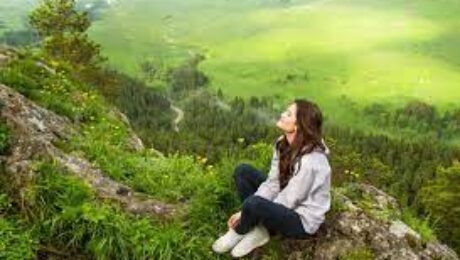
In today’s fast-paced world, it can be challenging to find moments of peace and relaxation. However, one way to escape the hustle and bustle of daily life is by heading outdoors for a camping trip. Not only does camping provide an opportunity to unplug from technology and reconnect with nature, but it also offers a wide range of mental health benefits. In this blog post, we will explore the ways in which outdoor camping can improve your mental well-being and help you unwind.
- Stress Reduction: One of the most significant mental health benefits of outdoor camping is its ability to reduce stress levels. Spending time in nature has been shown to lower cortisol levels, the hormone responsible for stress. The peaceful surroundings and fresh air can help calm your mind and body, allowing you to relax and unwind from the pressures of everyday life.
- Improved Mood: Being surrounded by nature can have a positive impact on your mood and overall well-being. Studies have shown that spending time outdoors can boost serotonin levels, also known as the “feel-good” hormone. This increase in serotonin can help alleviate symptoms of depression and anxiety, leaving you feeling happier and more content.
- Enhanced Creativity: Another benefit of outdoor camping is its ability to stimulate creativity. Disconnecting from technology and immersing yourself in nature can inspire new ideas and perspectives. Whether it’s writing, painting, or simply daydreaming, being outdoors can ignite your imagination and enhance your creative thinking.
- Better Sleep: Camping provides an opportunity to reset your internal clock and improve your sleep quality. Exposure to natural light during the day helps regulate your circadian rhythm, making it easier to fall asleep at night. Additionally, the sounds of nature – such as chirping birds or rustling leaves – can create a soothing environment conducive to restful sleep.
- Increased Mindfulness: Outdoor camping encourages mindfulness by encouraging you to be present in the moment and fully engage with your surroundings. Whether it’s watching a sunset, listening to the sounds of a crackling campfire, or feeling the cool breeze on your skin, being mindful allows you to appreciate the beauty of nature and cultivate a sense of gratitude.
Unplugged and Unwind: The Mental Health Benefits of Outdoor Camping
In today’s fast-paced, technology-driven world, finding moments to truly disconnect and recharge can be challenging. Outdoor camping offers a unique opportunity to unplug from the daily grind and immerse yourself in nature. This not only allows you to relax physically but also provides numerous mental health benefits. Here’s a look at how camping can improve your mental well-being.
1. Digital Detox: Breaking Free from Technology
Why It Matters: Constant connectivity to smartphones, social media, and the internet can lead to stress, anxiety, and a feeling of being overwhelmed. Camping encourages a break from this digital overload.
Mental Health Benefits:
- Reduced Stress: Disconnecting from technology reduces the mental load associated with constant notifications, work emails, and information overload.
- Improved Sleep: Without the blue light from screens and the distractions of late-night scrolling, your body can naturally adjust to the rhythm of the sun, leading to better sleep quality.
- Enhanced Mindfulness: Being present in the moment without digital distractions allows you to focus on your surroundings, breathe deeply, and appreciate the beauty of nature.
2. Connection with Nature: Grounding and Rejuvenation
Why It Matters: Spending time in nature has been shown to have a powerful effect on mental health. The sights, sounds, and smells of the natural world can calm the mind and rejuvenate the spirit.
Mental Health Benefits:
- Reduced Anxiety and Depression: Studies have found that time spent in nature can lower levels of anxiety and depression. The natural environment promotes relaxation and helps clear the mind.
- Increased Happiness: Exposure to sunlight boosts the production of serotonin, a hormone associated with mood enhancement. Even a short time outdoors can lift your spirits.
- Grounding and Presence: Walking barefoot on the earth, breathing in fresh air, and listening to the sounds of nature can ground you, providing a sense of peace and connection to the world around you.
3. Physical Activity: Boosting Mental and Physical Health
Why It Matters: Camping often involves physical activities such as hiking, swimming, or even setting up camp. Physical exercise is a proven way to improve mental health.
Mental Health Benefits:
- Stress Relief: Physical activity reduces the production of stress hormones like cortisol and increases endorphins, which are natural mood lifters.
- Enhanced Cognitive Function: Regular physical activity has been linked to improved cognitive function, better memory, and increased focus.
- Improved Self-Esteem: Accomplishing physical tasks, such as reaching the summit of a hike or successfully setting up a tent, can boost your confidence and sense of achievement.
4. Social Connections: Strengthening Bonds and Building Relationships
Why It Matters: Camping with friends, family, or even strangers can strengthen relationships and provide a sense of community and support, which are vital for mental health.
Mental Health Benefits:
- Strengthened Relationships: Shared experiences in the outdoors can bring people closer, fostering deeper connections and mutual understanding.
- Social Support: Being with others in a relaxed, natural setting can provide emotional support, helping to reduce feelings of loneliness and isolation.
- Enhanced Communication: Without the distractions of technology, conversations become more meaningful, and people tend to be more present and attentive to each other.
5. Mindfulness and Meditation: Cultivating Inner Peace
Why It Matters: The natural environment is an ideal setting for practicing mindfulness and meditation, which are powerful tools for managing stress and promoting mental well-being.
Mental Health Benefits:
- Mindfulness: Nature encourages mindfulness, allowing you to focus on the present moment, whether it’s the sound of a river, the rustling of leaves, or the feeling of a breeze on your skin.
- Meditation: The calm and quiet of the wilderness make it an ideal place to meditate. Regular meditation in nature can reduce stress, improve emotional regulation, and enhance overall mental health.
- Reduced Mental Clutter: Mindfulness and meditation help clear your mind of clutter, making space for peace, clarity, and positive thinking.
6. Escape from Routine: Refreshing Your Mind and Spirit
Why It Matters: Breaking away from the daily routine can refresh your mind and spirit, providing a much-needed mental reset.
Mental Health Benefits:
- Mental Refresh: A change of scenery and routine can rejuvenate your mind, offering a new perspective and renewed energy.
- Creativity Boost: Time away from routine, especially in a natural setting, can spark creativity. Many people find that their best ideas come when they’re relaxed and disconnected from their usual environment.
- Renewed Motivation: Taking a break from the usual grind can help you return to your daily life with a fresh sense of purpose and motivation.
Conclusion: Embrace the Healing Power of Nature
Camping is more than just a fun outdoor activity—it’s a powerful tool for improving mental health. By disconnecting from technology, connecting with nature, engaging in physical activity, and strengthening social bonds, you can experience profound benefits for your mind and spirit. So, next time you’re feeling overwhelmed or in need of a mental reset, consider heading to the great outdoors for some much-needed unplugged time.
Outdoor camping offers numerous mental health benefits that can help you unplug from technology and unwind from the stresses of daily life. From reducing stress levels to improving mood and enhancing creativity, spending time in nature has a positive impact on your overall well-being. So why not pack up your tent, gather some friends or family members, and head outdoors for a camping adventure? Your mind will thank you for it!
- Published in Uncategorized
Survival Skills 101: Basic Techniques Every Camper Should Know
Camping is a wonderful way to connect with nature and escape the hustle and bustle of everyday life. However, it’s important to be prepared for any situation that may arise while out in the wilderness. That’s where survival skills come in. Knowing some basic techniques can make all the difference in ensuring your safety and well-being while camping. In this blog post, we will cover some essential survival skills that every camper should know.
- Building a Shelter: One of the most important skills to have when camping is being able to build a shelter. In case you find yourself in a situation where you need protection from the elements, knowing how to construct a shelter using natural materials such as branches, leaves, and rocks can be a lifesaver. Practice building different types of shelters before your camping trip so that you are prepared for any situation.
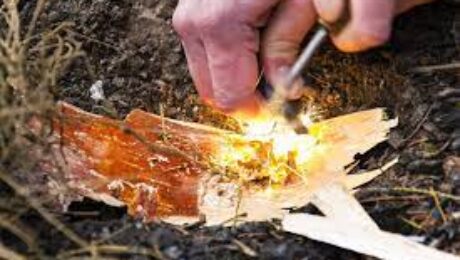
- Starting a Fire: Fire can provide warmth, cook food, purify water, and serve as a signal for help if needed. Knowing how to start a fire without matches or a lighter is an essential survival skill. Practice using methods such as friction-based fire starting techniques like rubbing sticks together or using flint and steel. Always make sure to follow proper fire safety precautions.
- Finding Food and Water: In a survival situation, finding food and water becomes crucial for your survival. Learn how to identify edible plants and berries in the area where you are camping. Additionally, know how to purify water from natural sources such as streams or rivers by boiling it or using purification tablets.
- Navigation: Getting lost while hiking or camping can happen more easily than you might think. Knowing how to navigate using a map and compass is an essential skill for any camper. Practice reading maps, identifying landmarks, and understanding topography before heading out on your trip.
- First Aid: Accidents can happen at any time, especially when outdoors in nature. Knowing basic first aid skills such as treating cuts, burns, sprains, and bites can make all the difference in an emergency situation. Carry a well-stocked first aid kit with you at all times while camping.Whether you’re a seasoned camper or new to the outdoors, knowing basic survival skills is crucial for staying safe and confident in the wilderness. These techniques can help you handle unexpected situations, ensure your well-being, and make the most of your camping adventure. Here’s a guide to essential survival skills every camper should know.
1. Fire Building: Essential for Warmth, Cooking, and Signaling
Why It Matters: A fire can keep you warm, cook your food, purify water, and serve as a signal for help. Knowing how to build a fire under different conditions is a fundamental survival skill.
Basic Techniques:
- Gather the Right Materials: You’ll need tinder (small, easily flammable material like dry leaves, bark, or cotton balls), kindling (small sticks and twigs), and fuel wood (larger logs).
- Choose a Safe Location: Clear a 10-foot radius around your fire pit, removing any flammable material. If possible, use an existing fire ring.
- Build the Fire: Start with a small pile of tinder in the center. Arrange kindling in a teepee or log cabin structure over the tinder. Light the tinder and gradually add larger pieces of wood as the fire grows.
- Keep It Safe: Never leave your fire unattended, and always have water or dirt on hand to extinguish it completely.
Fire in Wet Conditions:
- Use Dry Tinder: Look under logs or inside dead branches for dry material. You can also bring along waterproof fire starters or dry tinder.
- Feather Sticks: Use a knife to shave thin, curly strips from a dry stick. The fine shavings catch fire easily, even in damp conditions.
2. Navigating Without a GPS: Map, Compass, and Natural Indicators
Why It Matters: Technology can fail, so knowing how to navigate using a map and compass, as well as natural signs, is crucial for finding your way in the wilderness.
Basic Techniques:
- Map and Compass Use:
- Orient Your Map: Place your map on a flat surface and align it with the compass so that north on the map matches the compass needle.
- Identify Landmarks: Use the map to identify natural landmarks (mountains, rivers) that can help guide your way.
- Plot Your Route: Draw a line from your current location to your destination and use the compass to maintain your heading.
- Natural Navigation:
- Sun and Shadows: The sun rises in the east and sets in the west. In the Northern Hemisphere, shadows will point roughly north at noon.
- Moss and Vegetation: Moss tends to grow on the north side of trees in the Northern Hemisphere, though this is not always reliable.
- Stars: At night, locate the North Star (Polaris) by finding the Big Dipper constellation. The North Star is part of the Little Dipper and points north.
3. Finding and Purifying Water: Staying Hydrated in the Wild
Why It Matters: Water is essential for survival, and knowing how to find and purify it is crucial if your supply runs low.
Basic Techniques:
- Finding Water Sources:
- Follow the Terrain: Water flows downhill, so look for streams, rivers, or valleys.
- Look for Vegetation: Lush, green areas often indicate the presence of water nearby.
- Morning Dew: Collect dew from plants using a cloth in the early morning. Wring the cloth into a container.
- Purifying Water:
- Boiling: The most effective method is boiling water for at least 1 minute (3 minutes at higher altitudes).
- Filtration: Use a portable water filter or purification tablets to remove bacteria and parasites.
- Solar Disinfection: In a pinch, you can fill a clear plastic bottle with water and leave it in direct sunlight for at least 6 hours. UV rays can kill harmful microorganisms.
4. Basic First Aid: Handling Common Injuries in the Wilderness
Why It Matters: In the wilderness, medical help may not be immediately available, so knowing basic first aid can prevent minor injuries from becoming major problems.
Basic Techniques:
- Treating Cuts and Scrapes: Clean the wound with water and apply an antiseptic. Cover with a sterile bandage or gauze.
- Dealing with Blisters: Prevent blisters by wearing properly fitted shoes and socks. If a blister forms, clean the area, apply a blister pad, and avoid popping it unless it’s necessary to reduce pain or infection.
- Sprains and Strains: Use the R.I.C.E. method—Rest, Ice, Compression, and Elevation—to reduce swelling and pain. Wrap the injured area with a bandage, and avoid putting weight on it until it heals.
- Insect Bites and Stings: Apply a cold compress to reduce swelling. If allergic reactions occur, use an antihistamine or an epinephrine injector if prescribed.
5. Shelter Building: Protecting Yourself from the Elements
Why It Matters: If you’re caught without a tent or need emergency shelter, knowing how to build a shelter can protect you from rain, wind, cold, or heat.
Basic Techniques:
- Lean-To Shelter:
- Find a Suitable Location: Look for a natural windbreak like a large rock or fallen tree.
- Construct the Frame: Lean long branches against the windbreak to create a sloping roof.
- Cover the Roof: Layer smaller branches, leaves, and other natural materials to insulate the shelter.
- Debris Hut:
- Frame: Build a framework with a ridgepole (a long, sturdy branch) supported by two forked sticks.
- Cover: Pile leaves, grass, and other debris over the frame to create insulation. The thicker the layer, the better the insulation.
- Tarp Shelter:
- Simple Setup: If you have a tarp, use it to create a quick shelter by tying it between two trees or securing it to the ground with stakes.
6. Signaling for Help: Attracting Attention in an Emergency
Why It Matters: In an emergency, signaling for help can be the difference between rescue and being stranded.
Basic Techniques:
- Fire Signals: Build three fires in a triangle or a straight line, which is recognized as a distress signal. Use green branches or leaves to create smoke during the day.
- Mirror or Reflective Signal: Use a mirror or any reflective surface to catch the sunlight and direct it towards rescuers or passing aircraft.
- Whistle: Three short blasts on a whistle is an internationally recognized distress signal.
- Ground-to-Air Signals: Use large, contrasting materials (rocks, branches) to create visible signals on the ground, such as an “X” or “SOS.” Ensure the signals are in an open area where they can be easily seen from above.
Conclusion: Be Prepared for the Unexpected
Knowing basic survival skills is essential for any camper. These skills not only ensure your safety but also give you the confidence to handle unexpected situations in the wilderness. Whether it’s building a fire, finding water, or signaling for help, being prepared can make all the difference in your outdoor adventure. Survival skills are not just for extreme situations; they are essential knowledge for any camper venturing into the great outdoors. By practicing these basic techniques before your camping trip, you can ensure that you are prepared for any situation that may arise while enjoying nature’s beauty. Stay safe, be prepared, and happy camping!
- Published in Uncategorized
Wilderness Wonders: Exploring Hidden Gems in National Parks Through Camping
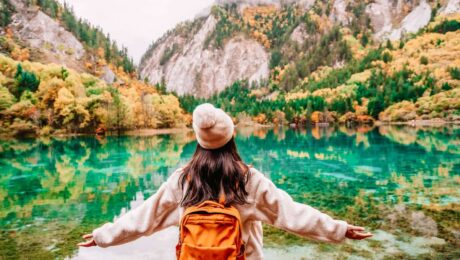
National parks are some of the most breathtaking and awe-inspiring places on Earth. From towering mountains to cascading waterfalls, there is no shortage of natural wonders to explore. One of the best ways to truly experience these incredible landscapes is by camping in the wilderness. Camping allows you to immerse yourself in nature, disconnect from the hustle and bustle of daily life, and discover hidden gems that can only be found off the beaten path. In this blog post, we will delve into some of the most stunning national parks in the United States and highlight the unique experiences that can be had through camping.
- Acadia National Park in Maine offers a diverse range of landscapes, from rocky coastlines to dense forests. Camping at one of Acadia’s campgrounds allows you to wake up to stunning ocean views and explore miles of hiking trails that lead to secluded coves and hidden lakes. One of the highlights of camping in Acadia is stargazing on clear nights, where you can see thousands of twinkling stars without any light pollution.
- Joshua Tree National Park in California is a desert oasis filled with otherworldly rock formations and twisted Joshua trees. Camping in Joshua Tree allows you to witness breathtaking sunrises and sunsets over the stark landscape, as well as experience the eerie beauty of the park’s famous night skies. Be sure to bring plenty of water and sunscreen, as temperatures can soar during the day.
- Glacier National Park in Montana is a true wilderness wonderland, with towering mountains, sparkling lakes, and pristine forests. Camping in Glacier offers unparalleled opportunities for wildlife viewing, including sightings of grizzly bears, elk, and mountain goats. Hiking along Glacier’s scenic trails will lead you to hidden waterfalls, alpine meadows bursting with wildflowers, and crystal-clear glacial lakes perfect for a refreshing swim.
- Great Smoky Mountains National Park on the border of North Carolina and Tennessee is known for its misty mountains and lush forests teeming with wildlife. Camping in Great Smoky Mountains allows you to immerse yourself in Appalachian culture while exploring historic homesteads, rushing rivers, and ancient old-growth forests. Don’t miss out on a chance to witness the park’s famous synchronous fireflies lighting up the night sky during their annual mating display.
- Olympic National Park in Washington is a true gem of the Pacific Northwest, with rugged coastline, temperate rainforests, and snow-capped peaks all within close proximity. Camping in Olympic offers a chance to experience some of America’s most diverse ecosystems while enjoying activities such as tidepooling along rocky shores or kayaking on tranquil alpine lakes.
Camping in national parks truly allows you to connect with nature on a deeper level and experience some of Earth’s most incredible landscapes firsthand. Whether you prefer rugged desert terrain or verdant mountain valleys, there is a national park waiting for you to explore its hidden gems through camping. So pack your tent, lace up your hiking boots, and get ready for an adventure like no other as you venture into the wilderness wonders of our nation’s most treasured natural spaces.
- Published in Uncategorized
Gear Up: Must-Have Equipment for a Safe and Comfortable Camping Experience
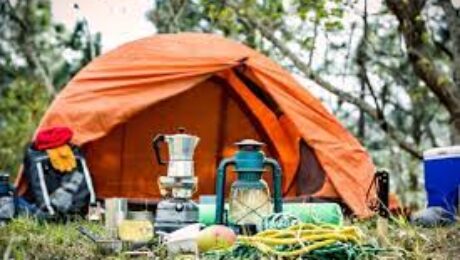
Camping is a beloved outdoor activity that allows us to connect with nature, unwind, and create lasting memories. However, to ensure a safe and comfortable camping experience, it is essential to have the right gear. From shelter to cooking equipment, there are several must-have items that can make your time in the great outdoors more enjoyable. In this blog post, we will explore the essential equipment needed for a successful camping trip.
- Shelter: One of the most important pieces of equipment for camping is shelter. A durable tent that can withstand various weather conditions is crucial for providing protection from rain, wind, and insects. When choosing a tent, consider factors such as size, weight, and ease of setup. Additionally, investing in a high-quality sleeping bag and sleeping pad will ensure you stay warm and comfortable throughout the night.
- Cooking Equipment: Another essential component of camping gear is cooking equipment. A portable stove or campfire grill can be used to prepare meals while enjoying the great outdoors. It is also important to pack utensils, pots, pans, and food storage containers. Don’t forget to bring along a cooler or insulated bag to keep perishable items fresh.
- Lighting: Adequate lighting is essential for safety and convenience while camping. A reliable flashlight or headlamp will help you navigate around your campsite at night and illuminate your surroundings. Additionally, consider bringing solar-powered lanterns or string lights to create a cozy ambiance at your campsite.
- First Aid Kit: Accidents can happen when spending time outdoors, so it’s important to have a well-stocked first aid kit on hand. Include items such as bandages, antiseptic wipes, pain relievers, insect repellent, and sunscreen in your kit. Familiarize yourself with how to use each item in case of an emergency.
- 5.Clothing and Footwear: Proper clothing and footwear are essential for staying comfortable while camping. Pack layers of clothing that can be easily added or removed depending on the temperature fluctuations throughout the day. Sturdy hiking boots or shoes with good traction will provide support and protect your feet while exploring trails.
Camping is a great way to escape into nature, but having the right gear is essential to ensure that your adventure is both safe and comfortable. Whether you’re a seasoned camper or new to the outdoors, this guide covers the must-have equipment you’ll need for a successful camping trip.
1. Shelter: Tents and Sleeping Arrangements
Why It Matters: Your shelter is your home away from home, and having the right setup is crucial for protection from the elements and a good night’s sleep.
Must-Have Gear:
- Tent: Choose a tent that is appropriate for the number of people and the weather conditions you’ll encounter. Look for features like waterproofing, ventilation, and easy setup. For families, consider a tent with multiple rooms or a larger footprint.
- Sleeping Bag: A good sleeping bag is essential for staying warm at night. Make sure it’s rated for the lowest temperatures you expect to encounter. Down-filled bags are lightweight and compact, while synthetic options are better for damp conditions.
- Sleeping Pad or Air Mattress: A sleeping pad provides insulation from the ground and adds comfort. Air mattresses offer more cushion but can be bulkier to carry.
- Pillow: Don’t forget a camping pillow for added comfort. Inflatable pillows save space, while compressible pillows offer more support.
Optional but Recommended:
- Tent Footprint: A footprint is a ground cloth that goes under your tent to protect the bottom from abrasions and moisture, extending the life of your tent.
- Camping Hammock: For a more relaxed sleeping or lounging option, consider bringing a hammock. Just make sure you have suitable trees or anchors.
2. Cooking: Camp Kitchen Essentials
Why It Matters: A well-equipped camp kitchen makes meal prep easy and enjoyable, ensuring you have the energy to explore and enjoy your surroundings.
Must-Have Gear:
- Camping Stove: A portable camping stove is essential for cooking meals. Look for a model that’s easy to use, has adjustable heat, and uses fuel that’s readily available.
- Cookware: Bring a lightweight pot and pan set that’s suitable for camping. Consider non-stick options for easier cleaning.
- Utensils: Pack a set of durable, reusable utensils, including spatulas, tongs, knives, and a can opener. Don’t forget a cutting board.
- Plates and Cups: Opt for lightweight, unbreakable plates, bowls, and cups made from materials like stainless steel or BPA-free plastic.
- Cooler: A cooler is necessary for keeping perishable food and drinks cold. Choose one that’s well-insulated and can hold enough for your trip.
Optional but Recommended:
- Portable Grill: If you prefer grilling, a portable grill is a great addition. Some camping stoves come with grill attachments.
- Coffee Maker: For coffee lovers, a portable coffee maker, such as a French press or percolator, can make your mornings in the wild much better.
3. Lighting: Illuminate Your Campsite
Why It Matters: Proper lighting is essential for safety and convenience when navigating your campsite after dark.
Must-Have Gear:
- Headlamp: A headlamp frees up your hands for tasks like cooking, setting up your tent, or finding your way to the bathroom at night. Look for models with adjustable brightness and a red light mode to preserve night vision.
- Lantern: A lantern provides ambient light for your campsite or tent. LED lanterns are energy-efficient and long-lasting.
- Flashlight: A reliable flashlight is always handy for focused lighting. Choose one that’s durable and water-resistant.
Optional but Recommended:
- String Lights: Battery-powered string lights can add a cozy ambiance to your campsite and help with visibility.
- Solar-Powered Lights: These are eco-friendly and can recharge during the day for use at night.
4. Safety and Navigation: Essential Tools
Why It Matters: Safety should always be a priority when camping. The right tools can help you navigate and handle emergencies.
Must-Have Gear:
- First-Aid Kit: A well-stocked first-aid kit is essential. It should include bandages, antiseptics, pain relievers, tweezers, and any personal medications.
- Multi-Tool: A multi-tool or camping knife is invaluable for a variety of tasks, from preparing food to repairing gear.
- Map and Compass or GPS: If you’re venturing into unfamiliar territory, a map and compass or a GPS device are crucial for navigation.
- Fire Starter: Carry waterproof matches, a lighter, and fire-starting material like tinder or fire sticks to ensure you can start a fire, even in wet conditions.
- Emergency Whistle: A whistle can signal for help if you’re lost or in danger. Many backpacks come with built-in whistles on the chest strap.
Optional but Recommended:
- Bear Spray: If you’re camping in bear country, bear spray is an essential safety tool.
- Personal Locator Beacon (PLB): For remote camping trips, a PLB can alert rescuers to your location in an emergency.
5. Clothing and Footwear: Stay Comfortable and Protected
Why It Matters: Proper clothing and footwear keep you comfortable and protected from the elements.
Must-Have Gear:
- Layered Clothing: Pack clothing that can be layered to accommodate varying temperatures. Include moisture-wicking base layers, insulating mid-layers, and waterproof outer layers.
- Sturdy Footwear: Choose hiking boots or shoes that provide support and protection on rough terrain. Bring camp shoes or sandals for comfort around the campsite.
- Rain Gear: A lightweight, packable rain jacket and rain pants are essential for staying dry in wet weather.
- Hat and Gloves: A hat protects you from the sun, while gloves can keep your hands warm during cool mornings or nights.
Optional but Recommended:
- Gaiters: Gaiters keep dirt, rocks, and water out of your boots when hiking.
- Insect-Repellent Clothing: Clothing treated with insect repellent can help protect you from mosquitoes and ticks.
6. Comfort and Convenience: Little Extras That Make a Big Difference
Why It Matters: A few extra items can greatly enhance your comfort and enjoyment during your camping trip.
Must-Have Gear:
- Camp Chairs: Lightweight, foldable camp chairs provide a comfortable place to sit and relax at your campsite.
- Camp Table: A portable table is useful for preparing food, playing games, or eating meals if your campsite doesn’t have a picnic table.
- Water Filtration System: If you’re camping in an area without clean water access, a portable water filter or purification tablets are essential.
- Backpack: A durable, comfortable backpack is necessary for carrying your gear during hikes or day trips from your campsite.
Optional but Recommended:
- Tarp: A tarp can serve as extra shelter, a ground cover, or a rain fly over your tent.
- Portable Shower: If you’re camping for an extended period, a solar-powered shower can provide some comfort.
- Hammock: A hammock is perfect for lounging and enjoying the outdoors.
Conclusion: Gear Up for Success
With the right equipment, you can enjoy a safe and comfortable camping experience that allows you to fully immerse yourself in nature. From shelter and cooking gear to safety tools and comfort items, this checklist ensures you’re well-prepared for your outdoor adventure. Remember, investing in quality gear can make a significant difference in your overall experience, so choose wisely and enjoy your time in the great outdoors!
Having the right gear can make all the difference in ensuring a safe and comfortable camping experience. By investing in quality equipment such as shelter, cooking gear, lighting, first aid supplies, clothing, and footwear,you can relax knowing you are prepared for whatever nature throws your way.Enjoying time outdoors with family or friends becomes even more special when you have all the necessary tools at your disposal.So before embarking on your next camping trip,gear up with these must-have items!
- Published in Uncategorized
Family Bonding in the Great Outdoors: Tips for Memorable Camping Adventures with Kids
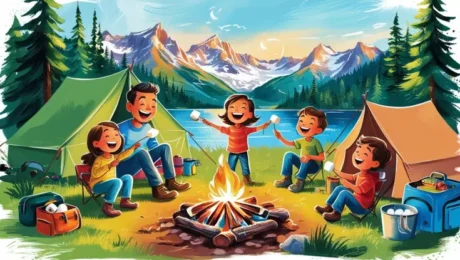
There is something truly magical about spending time in the great outdoors with your family. Camping provides the perfect opportunity to disconnect from technology, reconnect with nature, and create lasting memories together. For parents looking to foster a sense of adventure and instill a love for the outdoors in their children, camping trips can be an excellent way to bond and have fun together. In this blog post, we will explore some tips and tricks for planning a successful camping trip with kids that will leave everyone feeling refreshed and rejuvenated.
- Choose the right location: When planning a camping trip with kids, it is important to choose a location that is suitable for families. Look for campgrounds that offer amenities such as clean bathrooms, potable water, and designated fire pits. Consider the proximity to hiking trails, swimming areas, or other activities that will keep children entertained and engaged during the trip.
- Pack wisely: Packing for a camping trip with kids requires careful planning and organization. Make sure to bring essential items such as tents, sleeping bags, cooking supplies, and first aid kits. Don’t forget to pack plenty of snacks, games, and other entertainment options to keep children occupied during downtime at the campsite.
- Get kids involved: Encourage children to participate in setting up camp, gathering firewood, or preparing meals. Getting kids involved in these tasks not only teaches them valuable skills but also fosters a sense of responsibility and independence. Letting children take on small tasks can help them feel like they are contributing to the overall success of the camping trip.
- Embrace nature activities: Use your time in the great outdoors as an opportunity to explore nature and engage in outdoor activities as a family. Go on nature walks, collect rocks or leaves, or stargaze at night. Encourage children to put down their devices and immerse themselves in the beauty of the natural world around them.
- Create lasting memories: The most important aspect of any camping trip with kids is creating lasting memories that will be cherished for years to come. Take plenty of photos, tell stories around the campfire, or start a family tradition that can be carried on from one camping trip to the next. Encourage open communication and bonding between family members by engaging in meaningful conversations or sharing thoughts about the experience.
Camping trips provide families with a unique opportunity to bond, connect with nature, and create unforgettable memories together. By following these tips for planning a successful camping adventure with kids, you can ensure that your time spent in the great outdoors is both enjoyable and rewarding for everyone involved. So gather your gear, pack up your tent, and get ready for an adventure that will bring your family closer together while exploring all that nature has to offer.
- Published in Uncategorized